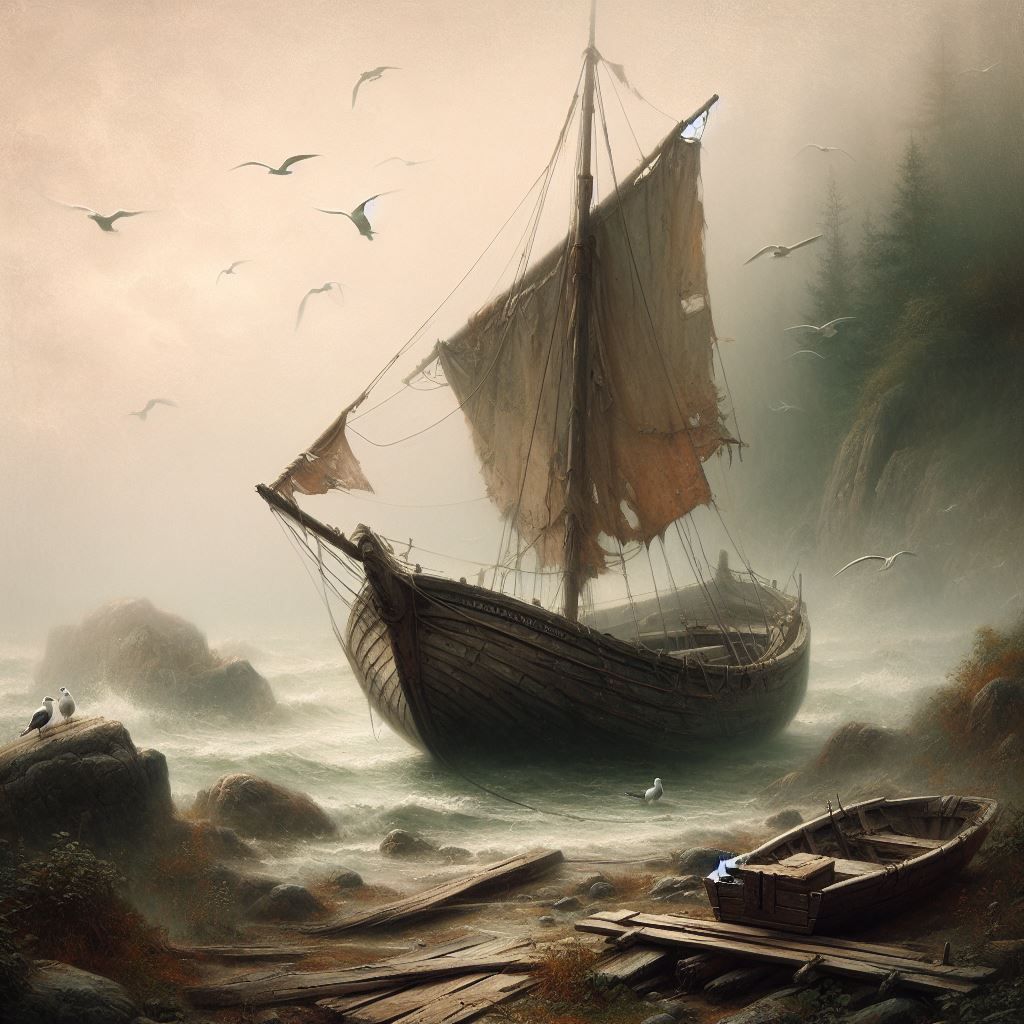
Now, the winds of the awakening have filled our sails. When I first witnessed its beginnings in 2018, I was awed by the young people who professed their culture with such eloquence, elegance and purity. The music was heavenly. The art on another level. I couldn’t even begin to describe the beauty of my people. So I hoped the winds would blow true.
The winds did blow. A song had emerged, a prayer of the Agîkûyû that had seemingly been silently playing in the silence of our very old memories. When I first heard it I thought I knew it. ‘MweneNyaga’. We shall talk about my encounter with the song and the musician later. I mention it because it became the soundtrack of the Agîkûyû’s awakening. And I was there when it was first played publicly.
Now, this little fire began to spread and became quite the thing. Today there are people everywhere claiming to have the answers to all manner of questions. All over the internet and elsewhere, people talking about ûndûire, preaching Ngai. Now, all this is well. But I have noticed a few things.
First, today’s teachers of the Kîrîra seem more and more like doomsayers. When I listen to them they get animated, talking about the consequences of this and the punishment for that.
Second, here is something you should understand. The language is deeper, richer than you think. Merely knowing enough to hold a conversation is not a ticket into the world of the teachers. They speak with such depth. This way of speaking is called ‘kuuna ikomo’, so that a conversation can be held in cryptic, coded language. So much will pass you by.
Seeing this, I understand that so many are unable to drink from this spring. Yet your inability to understand your own story cannot be blamed on you. You see, the colonial project worked to a very large extent, denying us the memory of our own past through the systematic discouragement of the use of our language.
It would be sad for me to watch today’s teachers of Kîrîra ignore a whole population of people whose only crime is that their parents and grandparents were colonized.
Nîniî,
Waiyaki. Nîtûtwarane.
 A Mountain of Truth