Now I will tell you some more about the beauty of the rûthiomi. I will tell you about your mother, her brother and water, all in this little piece. You will see how all these are the same, all of them coming from the same place: a place of truth.
Now, let us wear our detective hats again, shall we? Here’s what we’re looking at ; a list of the words in this order: truth, water, mother, uncle.
Truth: Ma.
Water: Maaî
Mother: Maitû
Uncle: Maama
Do you notice something? The truth, Ma, is present in all of the others, isn’t it? Ma is the beginning of every other word! You see, you rarely come across simple words or names in our communities. So before we go any further, do you see the connection among these words?
Maaî. Maa î!
We can talk about the place of water all day. In fact I don’t think I need to write anything to convince you why the Gîkûyû associate water with the truth. The ‘î’ at the end there is simply to add a certain emphasis, to add weight to the main word here, ‘ma’. So Maaî, water, is truth. With emphasis. An emphatic truth. A vibrant truth.
Maitû. Ma iitû.
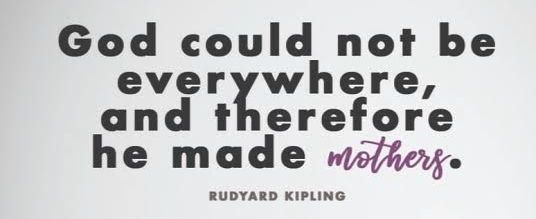
Iitû translates to ours. Ma iitû translates to ‘our truth’. That’s what the Gîkûyû call their mothers. Maitû. Our truth. Read that again. Shut your eyes for a minute and take that in. Tell me what you feel on learning that. Mother. Our truth. Because of all the people in the world, my mother knows me. I came through her. We shall save the broader topic for another day.
Maama ma, ma.
This is the brother of your mother. Your uncle. Note, not your father’s brother. Your father’s brother is your father as well. Now this is an interesting one. I’ll introduce two words: bloodline and lineage. In this one, we’ll deal with lineage.
First, let us establish that among the Agîkûyû, as in most other African communities, blessings were given by men. Mostly the father. Not by mothers. Maitû had her own very, very special roles, but to give blessings was not one of them.
Now, both Maitû and Maama are branches of the same tree, right? What does that make of you and Maama? You share a line as well. The rûthiomi calls him Maama, double truth. Because your mother will not bless you, her brother, the male version of our truth, bears your blessing. He is the truth, the truth. Ma, Ma.
Now let’s talk about lineage. At birth, the baby has to be cut away from its mother. They call it the umbilical chord. I’ll call it the line. Lineage. Twî hamwe? Now, your mother was also born. And her line was cut from her mother, as yours was cut from her. Now, you know who else was cut from the same place as your mother? Maama. Her brother, your uncle.
Therefore your uncle, Maama, has such significance. He holds the truth of your lineage and the blessings from your mother’s line. We will look at our bloodline later. Before we go on to the next one, I have to ask you this:
If you would like to hear more about this, if you have learnt something interesting here, share this with your friends, your Maitû, your Maama. If you have a question, comment or observation, share it in the comments below. Let’s share the truth. It is abundant, like Maaî.
May the truth quench your thirst.
Nîniî, Waiyaki.
Stay with me.
 A Mountain of Truth